%2Ffit-in%2F250x250%2Fguide_websites%2F120833%2Fimages%2F1772757908193gemini_generated_image_z6zhbhz6zhbhz6zh-removebg-preview.png&w=1920&q=100)
/users/80c2e8fd-813d-4a24-93a2-8f222daea978/ratecard/eashingtonriverfishing-mme41nxa.png)
%2F300x300%2Fusers%2F80c2e8fd-813d-4a24-93a2-8f222daea978%2Fratecard%2Feashingtonriverfishing-mme41nxa.png&w=256&q=75)
%2F300x300%2Fusers%2F80c2e8fd-813d-4a24-93a2-8f222daea978%2Fimages%2Fhumptulips-coho-salmon-catch-2568.png&w=256&q=75)
%2F300x300%2Fusers%2F80c2e8fd-813d-4a24-93a2-8f222daea978%2Fimages%2Fhumptulips-rainbow-trout-catch-2612.png&w=256&q=75)
%2F300x300%2Fusers%2F80c2e8fd-813d-4a24-93a2-8f222daea978%2Fimages%2Fhumptulips-coho-salmon-catch-2543.png&w=256&q=75)
%2F300x300%2Fusers%2F80c2e8fd-813d-4a24-93a2-8f222daea978%2Fimages%2Fhumptulips-winter-rainbow-trout-catch-2531.png&w=256&q=75)
%2F300x300%2Fusers%2F80c2e8fd-813d-4a24-93a2-8f222daea978%2Fimages%2Fhumptulips-fishing-celebration-dinner-2540.png&w=256&q=75)
%2F300x300%2Fusers%2F80c2e8fd-813d-4a24-93a2-8f222daea978%2Fimages%2Fhumptulips-river-fishing-waters-2401.png&w=256&q=75)
%2F300x300%2Fusers%2F80c2e8fd-813d-4a24-93a2-8f222daea978%2Fimages%2Frainbow-trout-humptulips-washington-catch-2521.png&w=256&q=75)
%2F300x300%2Fusers%2F80c2e8fd-813d-4a24-93a2-8f222daea978%2Fimages%2Frainbow-trout-humptulips-washington-catch-2461.png&w=256&q=75)
%2F300x300%2Fusers%2F80c2e8fd-813d-4a24-93a2-8f222daea978%2Fimages%2Fwinter-fishing-camp-humptulips-washington-2461.png&w=256&q=75)
%2F300x300%2Fusers%2F80c2e8fd-813d-4a24-93a2-8f222daea978%2Fimages%2Fhumptulips-wa-fishing-stream-2447.png&w=256&q=75)
Aberdeen Salmon River Fishing Chris's Guide Service
 Salmon River
What you will be catching:
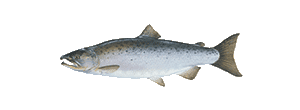
 Chinook Salmon
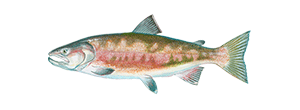 Chum Salmon
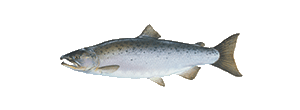 Coho Salmon
- Expert-guided salmon fishing on four productive Washington rivers
- All equipment, bait, and instruction provided for groups up to three
- Choose between 4 or 6-hour sessions with personalized coaching
Trip Pricing and Availabilities:
Half Day Salmon River Guided Salmon Fishing Trip
If you're looking to get into some serious salmon action without dealing with boats or rough waters, Chris's Guide Service has you covered. Christine Dooley knows these Washington rivers like the back of her hand, and she'll put you on fish whether you've never held a rod or you've been chasing salmon for decades. Operating on the Salmon River, Cook Creek, Quinault River, and Queets River near Humptulips and Aberdeen, this is pure bank fishing at its finest. You'll wade right into productive spots where salmon are moving through, and with all gear provided, you just need to show up with your license and get ready to fish.
What to Expect on the Water
This isn't your typical crowded fishing charter. With a maximum of just two guests per trip, you get personalized attention that makes all the difference when salmon are being picky. Christine runs both 4-hour and 6-hour options, giving you flexibility based on your schedule and how deep you want to dive into the experience. The beauty of bank fishing these rivers is you're right where the action happens - salmon funnel through these systems on their way upstream, and positioning yourself in the right spots is everything. You'll learn to read the water, understand where fish hold, and pick up techniques that work specifically for Washington's coastal rivers. The 72-hour cancellation policy takes the pressure off booking, and if you're having a blast, Christine often invites guests to grab a meal afterward to talk about the day's catches.
Bank Fishing Techniques
Bank fishing for salmon is an art form that Christine has perfected over years of working these waters. You'll be using spinning gear perfectly matched to the conditions, with rods that have enough backbone to handle strong fish but enough sensitivity to feel subtle takes. The technique revolves around reading current seams, deep pools, and undercut banks where salmon rest during their upstream journey. Christine provides all the terminal tackle, from the right weights to proven bait setups that produce in these specific river systems. You'll learn proper drift techniques, how to mend your line in moving water, and when to set the hook on a salmon that might just be mouthing your bait. The gear is chosen specifically for each river's characteristics - what works on the Quinault might not be ideal for Cook Creek, and that local knowledge is what separates a good day from a great one.
Top Catches This Season
Chinook salmon are the heavyweight champions of these river systems, and when you hook into a king, you'll know it immediately. These fish can push 30 pounds or more, with broad shoulders and the kind of power that tests your drag system and your patience. They typically start showing up in good numbers during late summer and fall, moving through these rivers in waves that can provide fantastic fishing when timing aligns. What makes Chinook special is their fight - they'll make long, powerful runs and use the current against you every chance they get. The meat is rich and oily, perfect for smoking or grilling, and landing your first king salmon is something you'll remember for years.
Coho salmon bring a completely different energy to the fight. These silver rockets are incredibly acrobatic, known for their spectacular jumps and lightning-fast runs. They average 8-12 pounds but punch way above their weight class when it comes to putting up a fight. Coho move through these systems from late summer into fall, often in large schools that can provide non-stop action when you find them. They're aggressive biters and will often hit lures or bait with authority, making them perfect for anglers who love that heart-stopping moment when your rod doubles over. The flesh is excellent eating, with a firm texture that holds up well to various cooking methods.
Chum salmon might not get the same respect as kings or coho, but they're serious fish that deserve recognition. These bruisers can reach 15-20 pounds and are built for endurance rather than speed. They develop impressive hooked jaws and striking coloration as they move upstream, earning them the nickname "dog salmon" for their tenacious attitude. Chum typically run later in the fall, providing excellent fishing opportunities when other species might be thinning out. They're incredibly strong fighters that will test your equipment and technique, often making long, steady runs that seem to go on forever. While their flesh is leaner than other salmon species, they're still excellent eating when caught fresh from saltwater.
Time to Book Your Spot
Washington's coastal rivers offer some of the most consistent salmon fishing in the Pacific Northwest, and having Christine as your guide gives you a serious advantage. She knows when fish are moving, which rivers are fishing best, and exactly where to position you for success. The small group size means you're not competing for attention or prime fishing spots, and the gear provided is top-quality stuff that's perfectly suited for these conditions. Whether you choose the 4-hour trip for a taste of the action or commit to the full 6-hour experience, you're going to learn techniques and locations that will serve you well for years to come. With salmon runs varying throughout the season, booking early gives you the best shot at timing your trip with peak fishing conditions.
Learn more about the species
Chinook Salmon
King salmon are the heavyweights of our rivers, typically running 15-30 pounds with some monsters pushing 40+. These silver-sided beauties with black-spotted backs prefer deeper holes and current breaks, especially around fallen timber and undercut banks. They hit hard and fight dirty - that's what keeps folks coming back. Fall runs from September through November give us the best action when they're fresh from the ocean. Since kings are light-sensitive, early morning and evening produce the most strikes. Here's a local trick: when bank fishing, use plenty of weight to get your bait down to the bottom where they cruise, and don't be afraid to fish the slower water just downstream of the fast stuff.
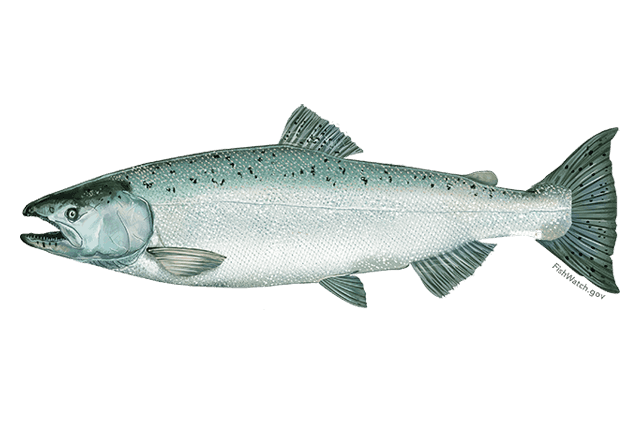
Chum Salmon
Chums might be the underdog of the salmon family, but they're scrappy fighters that'll surprise you. These stocky fish average 10-15 pounds and develop those distinctive tiger stripes when they hit freshwater. They love the slower, deeper pools and aren't as spooky as other salmon once they settle in. Fall brings the best fishing when they're staging before spawning runs. What's cool about chums is they're sight fishers - you can actually watch them take your offering. They're also great for beginners since they're less finicky about presentation. Local secret: cast a few feet upstream of where you see them holding, not right on top. They'll move to intercept but spook easily if you plop bait right on their heads.
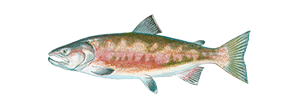
Coho Salmon
Silver salmon are pure athletes - they'll jump, run, and put on a show that gets everyone's heart pumping. Running 8-12 pounds on average, these acrobatic fighters can leap six feet straight up when hooked. You'll find them in the calmer stretches near cover like logs and brush piles, though they're not afraid of moderate current. Peak season runs from late summer into fall when they're bright silver and full of fight. What makes cohos special is their willingness to take flies and lures aggressively. The meat is top-shelf too - bright orange and perfect for the grill. Pro tip: when you hook one, keep steady pressure but give them room to jump. Try to horse them in and they'll throw the hook every time.