%2Ffit-in%2F250x250%2Fguide_websites%2F120833%2Fimages%2F1772757908193gemini_generated_image_z6zhbhz6zhbhz6zh-removebg-preview.png&w=1920&q=100)
/users/80c2e8fd-813d-4a24-93a2-8f222daea978/ratecard/riverfishinginwashignton-mme47crb.png)
%2F300x300%2Fusers%2F80c2e8fd-813d-4a24-93a2-8f222daea978%2Fratecard%2Friverfishinginwashignton-mme47crb.png&w=256&q=75)
%2F300x300%2Fusers%2F80c2e8fd-813d-4a24-93a2-8f222daea978%2Fimages%2Fhumptulips-coho-salmon-catch-2568.png&w=256&q=75)
%2F300x300%2Fusers%2F80c2e8fd-813d-4a24-93a2-8f222daea978%2Fimages%2Fhumptulips-rainbow-trout-catch-2612.png&w=256&q=75)
%2F300x300%2Fusers%2F80c2e8fd-813d-4a24-93a2-8f222daea978%2Fimages%2Fhumptulips-coho-salmon-catch-2543.png&w=256&q=75)
%2F300x300%2Fusers%2F80c2e8fd-813d-4a24-93a2-8f222daea978%2Fimages%2Fhumptulips-winter-rainbow-trout-catch-2531.png&w=256&q=75)
%2F300x300%2Fusers%2F80c2e8fd-813d-4a24-93a2-8f222daea978%2Fimages%2Fhumptulips-fishing-celebration-dinner-2540.png&w=256&q=75)
%2F300x300%2Fusers%2F80c2e8fd-813d-4a24-93a2-8f222daea978%2Fimages%2Fhumptulips-river-fishing-waters-2401.png&w=256&q=75)
%2F300x300%2Fusers%2F80c2e8fd-813d-4a24-93a2-8f222daea978%2Fimages%2Frainbow-trout-humptulips-washington-catch-2521.png&w=256&q=75)
%2F300x300%2Fusers%2F80c2e8fd-813d-4a24-93a2-8f222daea978%2Fimages%2Frainbow-trout-humptulips-washington-catch-2461.png&w=256&q=75)
%2F300x300%2Fusers%2F80c2e8fd-813d-4a24-93a2-8f222daea978%2Fimages%2Fwinter-fishing-camp-humptulips-washington-2461.png&w=256&q=75)
%2F300x300%2Fusers%2F80c2e8fd-813d-4a24-93a2-8f222daea978%2Fimages%2Fhumptulips-wa-fishing-stream-2447.png&w=256&q=75)
Aberdeen Salmon River Fishing Chris's Guide
 Salmon River
What you will be catching:
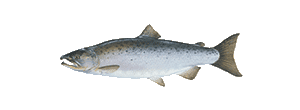
 Chinook Salmon
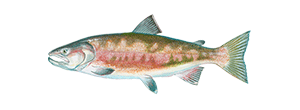 Chum Salmon
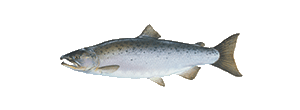 Coho Salmon
- 8-hour guided salmon fishing on four Washington rivers
- All equipment provided; maximum 3 participants per group
- 72-hour cancellation policy with optional post-trip dining
Trip Pricing and Availabilities:
Full Day Salmon River Guided Fishing Trip
When you're looking for a solid day of salmon fishing without the hassle of boat charters or crowded marina launches, Chris's Guide Service has you covered. Christine Dooley runs these 8-hour bank fishing adventures along some of Washington's most productive salmon waters - the Salmon River, Cook Creek, Quinault River, and Queets River. You'll be fishing from shore the entire time, which means no seasickness worries and plenty of room to move around while you work those runs and holes. Located right in the heart of salmon country near Humptulips and Aberdeen, this trip puts you exactly where the fish are staging and moving through during their runs.
What to Expect on the Water
This is pure bank fishing at its finest - no need to worry about boat schedules, rough water, or engine troubles. Christine knows every productive spot along these river systems like the back of her hand, and she'll position your small group of up to three anglers at the prime locations throughout the day. The beauty of shore fishing here is that you can really work an area thoroughly, adjusting your presentation and technique as conditions change. You'll be moving between different access points as the day progresses, following the fish and the bite. Christine provides all the rods, terminal tackle, and bait, so you just need to bring your Washington fishing license and be ready to learn. The relaxed pace means there's plenty of time to perfect your casting technique and really understand how these salmon behave in river systems.
Techniques & River Know-How
Bank fishing for salmon is all about reading the water and knowing where fish like to hold and travel. Christine will show you how to identify the deeper channels, undercut banks, and current breaks where salmon rest during their upstream journey. You'll be using a variety of techniques depending on conditions - sometimes it's a drift fishing setup with fresh bait, other times you might be casting spinners or spoons into likely holding water. The key is matching your approach to what the fish want on any given day. Water levels, weather, and time of season all play into the strategy. Since you're fishing from solid ground, you can really focus on your technique without worrying about boat positioning or drift patterns. The rivers around Humptulips and Aberdeen offer excellent access points with good casting room, and Christine has scouted all the best spots over years of guiding these waters.
Top Catches This Season
Chinook salmon are the kings of these river systems, and for good reason. These powerful fish can range from 15 pounds up to 40-plus pound monsters that will test every bit of your tackle and technique. They typically start showing up in good numbers during late summer and fall, with peak action often happening when the first rains raise water levels slightly. What makes Chinook so special is their incredible strength and the way they use the current to their advantage during the fight. They'll make long, powerful runs and try to wrap your line around every piece of structure in the river. Landing a big king from the bank is one of the most satisfying experiences in Pacific Northwest fishing.
Coho salmon bring a completely different energy to your fishing day. These silver bullets are famous for their acrobatic fights - they'll jump, tail-walk, and put on a show that'll have you laughing and scrambling to keep up. Coho typically run smaller than Chinook, usually in the 8-15 pound range, but what they lack in size they make up for in pure athleticism. They're often more aggressive biters too, especially when they first enter the river systems. The Quinault and Queets rivers see excellent coho runs during their peak season, and these fish are perfect for anglers who want consistent action and exciting fights.
Chum salmon might not get the same press as their cousins, but they're absolute bulldogs once hooked. These fish develop distinctive hooked jaws and dark coloration as they move into spawning mode, earning them the nickname "dog salmon." Don't let that fool you - a fresh chum from the river is a serious adversary that will give you a long, grinding fight. They're typically the most abundant salmon in these systems during their run, which means you'll often have multiple chances to hook up. Chum can range from 8-20 pounds, and their endurance-focused fighting style teaches you patience and steady pressure techniques.
Time to Book Your Spot
Chris's Guide Service has built a reputation as one of the top-rated salmon fishing operations in the Aberdeen area, and Christine's local knowledge of these river systems is exactly what you need for a successful day. The combination of productive waters, expert guidance, and the relaxed pace of bank fishing makes this a customer favorite for both beginners and experienced anglers. You'll finish the day with a much better understanding of salmon behavior, river fishing techniques, and some great stories to share. Plus, Christine often invites guests to join her for a meal after the trip, which is a nice way to wind down and talk through the day's action. With a 72-hour free cancellation policy, there's no risk in securing your date. These salmon runs don't wait for anyone, so book your spot and get ready for a world-class day of Pacific Northwest salmon fishing.
Learn more about the species
Chinook Salmon
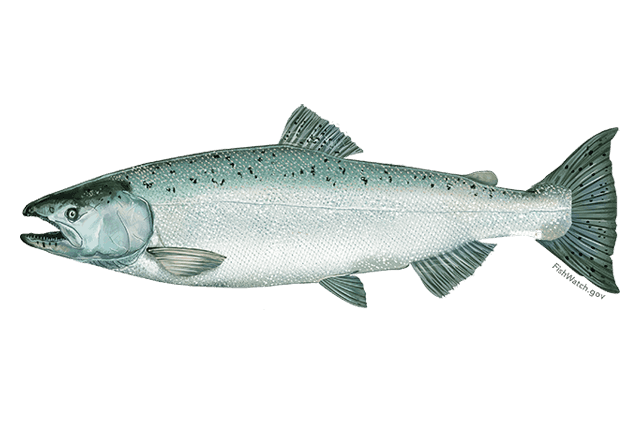
King salmon are the biggest of the Pacific salmon, typically running 12-39 inches and 7-15 pounds, though our Washington rivers can produce some real bruisers over 20 pounds. These silver-sided beauties with blue-green backs have black spots on their fins and that distinctive black mouth. They're famous for their bulldogging fight and that rich, orange-pink meat that makes them table fare gold. Chinooks like deeper holes and structure along the riverbank, especially early morning or evening when light is low. Fall runs are prime time on our local rivers. Pro tip: keep your bait near bottom with enough weight - these fish hug the depths and won't chase up for your offering. The fight alone makes every hookup memorable.
Chum Salmon
Chum salmon are the sleepers of the salmon world - underrated but surprisingly fun to catch. These medium-sized fish average around 24 inches and 10-22 pounds, showing up silver-bright in our rivers before developing those distinctive pink stripes as they color up. They're actually pretty scrappy fighters and decent eating when fresh from the ocean. Chums prefer the main current seams and tailouts of deeper pools. Fall is prime time, especially September through November depending on the river. What makes them interesting is they're easily spooked but aggressive once they commit. My advice: spot them first, then cast your fly or lure a few feet off to the side of the school rather than right into the middle. Chartreuse patterns work great, and they'll often take when other salmon won't.
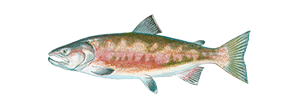
Coho Salmon
Silver salmon are pure dynamite on the end of your line - these acrobatic fighters can jump 6 feet straight up and will test every knot you tied. Running 12-30 inches and averaging 8-12 pounds, cohos have that classic silver body with dark blue-green backs. What sets them apart is their aerial show and aggressive nature. They love quieter water under cover - think fallen trees, undercut banks, and deeper pools in our coastal rivers. Fall is when they're really moving through, and overcast days often fish better. The bright orange meat is fantastic eating too. Here's a local trick: when you see them rolling or jumping, cast your spinner well upstream and let it swing through - don't drop it right on their heads or you'll spook the whole school.